
Bitcoin’s Latest Price Movement – What It Means for Investors’ Strategies Moving Forward
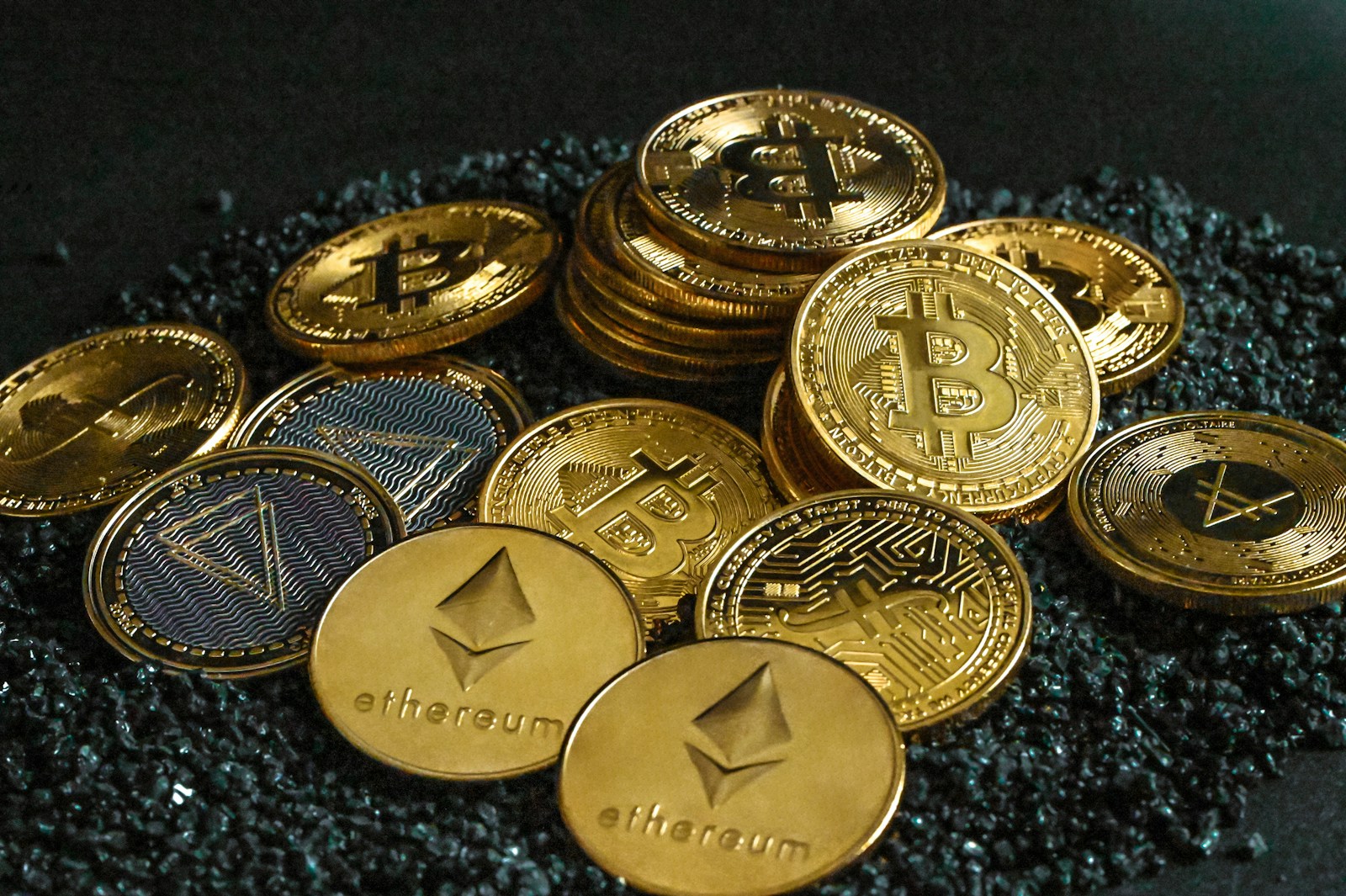
Bitcoin’s Latest Price Movement: What It Means for Investors. The cryptocurrency market is notoriously volatile, often experiencing rapid price swings that can leave investors searching for insights to navigate its complexities. Understanding Bitcoin’s latest price movement can provide crucial information for both seasoned investors and newcomers alike.
Bitcoin’s Recent Price Fluctuations: An Overview
The world of cryptocurrency is ever-evolving, with Bitcoin (BTC) at the forefront as the most recognized digital asset. In recent months, Bitcoin has experienced significant price fluctuations, prompting discussions among investors about its implications. This section will analyze Bitcoin’s price trajectory, offering a comprehensive overview of its recent movements.
Bitcoin is known for its dramatic price swings, which have gained attention from not only retail investors but also institutional players. These fluctuations are influenced by various factors ranging from market sentiment to macroeconomic trends.
Current State of Bitcoin’s Price
As of late September 2023, Bitcoin has shown a remarkable increase, reaching new heights that many analysts did not anticipate. However, the path to this resurgence has been anything but smooth. The price dipped below certain psychological thresholds, only to bounce back dramatically in recent weeks. Understanding this context is vital for investors seeking to make informed decisions.
Recent trading sessions have revealed strong buying interest, particularly from institutional investors who see value in Bitcoin following its considerable corrections earlier in the year. Notably, the cryptocurrency’s resilience in overcoming short-term bearish sentiments hints at an underlying bullish trend.
Historical Context of Bitcoin’s Price Movements
To comprehend Bitcoin’s current price dynamics, it’s essential to look back at its historical performance. The cryptocurrency has seen several boom and bust cycles since its inception in 2009. Each cycle has provided valuable lessons about market behavior and investor psychology.
Historically, Bitcoin’s price has been subject to speculative bubbles, followed by corrections that often lead to longer-term growth patterns. For instance, the rally in late 2020 was fueled by widespread adoption and institutional investment, but it was followed by significant retracements in early 2021. Such patterns are critical in forecasting future trends and understanding potential outcomes.
Key Indicators to Watch
Investors need to remain vigilant about specific key indicators that can signal potential price movements. Some fundamental metrics include:
- Market Capitalization: Tracking changes in Bitcoin’s market cap can provide insights into overall market health.
- Trading Volume: A surge or drop in trading volume often precedes significant price moves.
- On-Chain Data: Metrics like active addresses and transaction volumes can gauge the network’s activity and investor interest.
- Sentiment Analysis: Monitoring social media platforms and forums can offer insights into general market sentiment.
Understanding these indicators is crucial for investors looking to capitalize on Bitcoin’s price actions while managing risks effectively.
Analyzing the Factors Driving Bitcoin’s Price Momentum
Bitcoin’s price movements are rarely random; they are often driven by a mix of external and internal factors. In this segment, we’ll delve deeper into the primary drivers behind Bitcoin’s price momentum, providing investors with a clearer picture of what influences their investments.
Market Sentiment and Investor Behavior
Investor sentiment plays a pivotal role in shaping Bitcoin’s price dynamics. Positive news reports, endorsements from financial institutions, and favorable regulatory developments can instill confidence in buyers, leading to increased demand. Conversely, negative news such as hacks, regulatory crackdowns, or adverse economic indicators can trigger sell-offs.
Recent surveys indicate that retail investor enthusiasm has surged again, driven by innovative products entering the market. Meanwhile, fear and uncertainty remain prevalent among some sectors, making it critical for investors to read the market carefully.
Macroeconomic Influences
Macroeconomic conditions significantly impact Bitcoin’s valuation. Economic indicators such as inflation rates, interest rates, and currency stability influence investor behavior. For instance, during times of high inflation, Bitcoin is often viewed as a hedge against currency devaluation, attracting more investors.
Additionally, geopolitical events can create volatility. Trade disputes, political unrest, and global crises may drive people towards decentralized currencies like Bitcoin, further altering its price dynamics.
Technological Developments
Technological advancements continue to shape the Bitcoin landscape. Upgrades to the Bitcoin network, such as improvements in transaction speed and security, play a crucial role in enhancing user experience and attracting new users. The anticipation of upgrades can lead to speculative buying prior to implementation, and subsequent enhancements may stabilize prices.
Furthermore, the emergence of new technologies, such as Layer 2 solutions, highlights Bitcoin’s versatility and adaptability. As these innovations unfold, they have the potential to attract institutional investment and bolster Bitcoin’s long-term value proposition.
Expert Opinions on the Current Bitcoin Market Sentiment
When navigating the turbulent waters of Bitcoin investing, expert analysis can provide invaluable perspectives. In this section, we will explore insights and forecasts from industry experts regarding current market sentiment and the implications for investors.
Bullish Outlook from Analysts
Many analysts express optimism about Bitcoin’s short-term and long-term prospects. They attribute this positivity to increasing mainstream acceptance, particularly among institutional investors. Major companies are increasingly integrating Bitcoin into their balance sheets, and fintech firms are launching services that facilitate Bitcoin transactions.
Experts believe that as institutional demand continues to grow, Bitcoin’s price could stabilize at higher levels. They argue that Bitcoin is transitioning from a speculative asset to a legitimate store of value, akin to gold. If this trend persists, it could mitigate extreme price swings moving forward.
Cautious Perspectives
Despite the prevailing bullish sentiment, some experts advocate caution. They emphasize the importance of market cycles and remind investors of the potential for retracements after substantial rallies. Historical data supports this argument, as Bitcoin has often corrected after reaching new all-time highs.
Cautionary views also highlight the potential for regulatory scrutiny, especially as global governments begin to formulate frameworks for digital assets. Experts warn that sudden regulatory changes can drastically affect market sentiment and price stability.
Survey Insights from Crypto Enthusiasts
In addition to expert opinions, surveys conducted among crypto enthusiasts reveal a mixed sentiment. While some remain optimistic about Bitcoin’s ability to reach new heights, others express skepticism regarding its sustainability and long-term viability.
A survey conducted by a leading cryptocurrency platform indicated that over half of respondents still view Bitcoin primarily as a speculative investment rather than a reliable store of value. This divergence in sentiment underscores the need for careful consideration when devising investment strategies.
Potential Implications of Price Swings for Bitcoin Investors
For investors navigating Bitcoin’s price volatility, understanding the implications of price swings is paramount. This section will analyze how these fluctuations can significantly affect investment strategies and decision-making processes.
Short-Term Trading Opportunities
Frequent price movements present opportunities for short-term traders. Day traders and swing traders often capitalize on rapid price changes, employing technical analysis to identify favorable entry and exit points. These strategies can yield significant profits for those adept at reading the market.
However, short-term trading requires a deep understanding of market signals and risk management. Traders must be prepared to react swiftly to market changes, necessitating a level of commitment that may not align with every investor’s goals.
Long-Term Investment Strategies
Long-term investors take a different approach to Bitcoin compared to short-term traders. Many hold onto their investments through market fluctuations, believing in Bitcoin’s potential for future appreciation. This strategy relies on the confidence that Bitcoin will ultimately prove itself as a store of value.
For long-term investors, dollar-cost averaging can be an effective strategy. By consistently investing a fixed amount regardless of price, investors can reduce the impact of volatility over time. This method encourages discipline and minimizes the stress associated with timing the market.
Psychological Impact of Volatility
One of the often-overlooked implications of price swings is their psychological effect on investors. The fear of missing out (FOMO) and panic selling can lead to emotional decision-making, resulting in poor investment choices.
It’s vital for investors to cultivate a mindset focused on research and rationality rather than knee-jerk reactions to price changes. Developing a clear investment thesis and adhering to it can help mitigate emotional responses to volatility.
Risk Management Strategies for Navigating Bitcoin Volatility
With Bitcoin being one of the most volatile assets, implementing robust risk management strategies is essential for safeguarding investments. In this section, we will explore practical strategies that investors can adopt to navigate the unpredictable nature of Bitcoin.
Diversification of Portfolio
One of the most effective ways to manage risk is through diversification. By spreading investments across different asset classes—such as cryptocurrencies, stocks, bonds, and commodities—investors can reduce their exposure to any single asset’s volatility.
Including a variety of cryptocurrencies can also be beneficial. While Bitcoin leads the market, other altcoins may provide opportunities for growth, albeit with different risk profiles. Building a diversified portfolio may help cushion against Bitcoin’s price swings.
Setting Stop-Loss Orders
Utilizing stop-loss orders can be a powerful tool for mitigating losses in a volatile market. A stop-loss order automatically sells a position once it reaches a predetermined price, helping to protect capital from sudden downturns.
Investors should carefully consider where to set their stop-loss levels based on their individual risk tolerance and investment strategy. Adjusting stop-loss orders as prices fluctuate can also help secure gains while limiting potential losses.
Staying Informed and Educated
Remaining informed about market trends, news, and technological advancements is crucial for successful Bitcoin investing. Continuous education allows investors to make informed decisions, adapt strategies, and better understand the forces driving price movements.
Joining online communities, engaging in forums, and following thought leaders can enhance knowledge and understanding of the cryptocurrency landscape.
Future Projections: Is Bitcoin Poised for Growth or Correction?
As we look ahead, questions surrounding Bitcoin’s future performance become increasingly relevant. In this section, we will assess potential scenarios for Bitcoin’s trajectory and what they mean for investors.
Bullish Scenarios
Several bullish scenarios suggest that Bitcoin could continue its upward trend. Institutional adoption is likely to expand, bringing more liquidity and stability to the market. Additionally, as Bitcoin becomes more entrenched in the global financial system, its appeal as a hedge against inflation could solidify.
New technological developments, such as improved scalability and enhanced privacy features, could also reinforce Bitcoin’s position as a leading digital asset. Furthermore, the growing acceptance of cryptocurrencies for payments and remittances could drive demand and support higher valuations.
Bearish Scenarios
Conversely, several bearish scenarios could hinder Bitcoin’s growth. Regulatory challenges pose significant risks, particularly if governments impose strict regulations. Unfavorable legal frameworks could stifle innovation and limit access to markets.
Economic downturns or shifts in investor sentiment could also lead to downward pressure on Bitcoin’s price. If significant pockets of investors decide to liquidate their holdings simultaneously, it could result in steep declines.
Assessing Volatility as a Norm
Lastly, it is essential to recognize that volatility may remain a defining feature of Bitcoin’s market. Investors should prepare themselves for continued price swings, regardless of broader trends. Accepting this reality can enable investors to approach Bitcoin with greater resilience and flexibility.
Conclusion
Bitcoin’s latest price movement offers crucial insights for investors navigating the ever-changing landscape of cryptocurrency. By understanding the factors driving price fluctuations, analyzing expert opinions, and applying effective risk management strategies, investors can position themselves to harness opportunities while minimizing risks. As Bitcoin continues to mature, remaining informed and adaptable will be key to succeeding in this dynamic market.