
What Is a Wallet? Hot vs Cold Wallets – Understanding Your Options in the Cryptocurrency Space
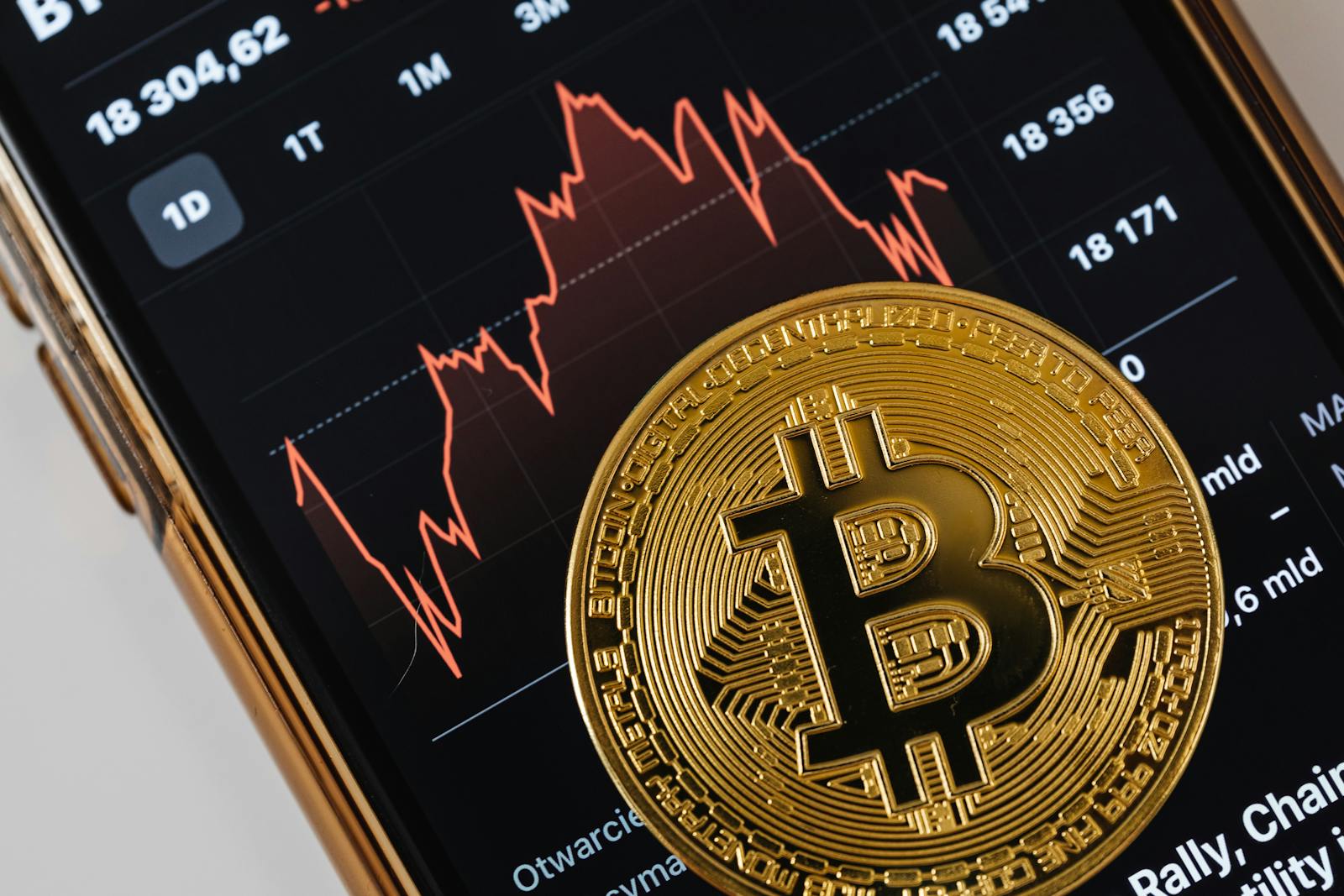
When you’re diving into the world of cryptocurrencies, one of the critical aspects you’ll encounter is the concept of a wallet. But what is a wallet? Hot vs Cold Wallets is often a question many newcomers ask as they begin their journey toward understanding digital currencies. In this blog post, we will extensively explore cryptocurrency wallets, distinguishing between the different types, including hot and cold wallets. By the end, you’ll have a comprehensive understanding of these tools, empowering you to make intelligent decisions for securely storing and managing your cryptocurrencies.
Understanding Cryptocurrency Wallets: An Introductory Overview
Before we dive deep into the mechanics of wallets, let’s lay a foundational understanding of what cryptocurrency wallets are and why they are crucial for anyone engaging with digital currencies.
Cryptocurrency wallets serve as software programs or physical devices that allow users to manage their cryptocurrencies. Unlike traditional wallets that store cash and coins, cryptocurrency wallets don’t store the currency itself but rather the keys to access one’s cryptocurrency on the blockchain. These keys are unique codes that grant access to one’s cryptocurrency holdings.
One of the fascinating aspects of cryptocurrency wallets is that they enable users to engage in transactions with ease while also providing various levels of security.
In the cryptocurrency universe, the types of wallets usually fall into two main categories: hot wallets and cold wallets. Both play essential roles, but they serve very different purposes in terms of security and convenience.
Defining Cryptocurrency Wallets
A cryptocurrency wallet is an essential tool that offers users a way to interact with their digital currencies. At its most basic level, a wallet consists of two primary components:
- Public Key: This is akin to your bank account number. It allows others to send you cryptocurrency without revealing any personal information.
- Private Key: This is the equivalent of your PIN code or password. This key must be kept secret, as it grants complete access to your funds.
By using a combination of public and private keys, users can send and receive cryptocurrencies securely.
The Importance of Security
In the digital realm, security is paramount. Digital currencies are susceptible to hacks, scams, and various cyber threats. Therefore, having a robust wallet is essential for proper asset safeguarding. Whether you are a casual investor or a professional trader, understanding how to use wallets plays a crucial role in managing your risk.
As you navigate the cryptocurrency landscape, you’ll learn that not all wallets offer the same security measures and accessibility. This disparity leads us to examine the two predominant types of wallets: hot and cold wallets.
The Popularity Surge of Cryptocurrency Wallets
The rise in the popularity of cryptocurrencies, particularly Bitcoin and Ethereum, has sparked a rapid increase in wallet usage. As more people gain interest in digital currencies, the demand for effective and user-friendly wallets has also grown.
This surge in popularity has led to an array of wallet options on the market, each tailored to meet various needs, whether that’s security for long-term holding or convenience for everyday transactions.
What is a Cryptocurrency Wallet and How Does it Work?
As we continue our exploration, it’s essential to understand the inner workings of cryptocurrency wallets. How do they facilitate transactions, and what makes them unique compared to other types of financial software?
Mechanics of a Cryptocurrency Wallet
For newcomers, the mechanics behind cryptocurrency wallets may seem complex, but they boil down to some fundamental processes:
- Creation of Keys: When you set up a wallet, it generates a pair of keys—a public key for receiving funds and a private key for sending funds.
- Blockchain Interaction: Wallets interact with blockchain networks to record transactions. When you initiate a transaction, the wallet uses your private key to sign and authorize it, confirming your ownership of the funds.
- Transaction Verification: After signing, the transaction is broadcast to the network, where miners or validators will verify it. Once approved, the transaction is recorded on the blockchain, updating your balance.
Types of Wallets and Their Uses
There are three major types of cryptocurrency wallets:
- Software Wallets: These wallets run on applications or browser extensions. They provide ease of access and are a favorite among frequent traders.
- Hardware Wallets: These are physical devices that store your keys offline. They offer a higher level of security and are preferred for long-term holdings.
- Paper Wallets: A piece of paper with your keys printed on it, providing a completely offline storage method. However, they come with risks related to physical damage or loss.
Wallet Interfaces and User Experience
The user interface of a wallet significantly impacts how easily someone can interact with their cryptocurrencies. Some wallets offer advanced features like trading options and portfolio tracking, making them desirable for experienced users. Meanwhile, others focus on a minimalist design aimed at newcomers.
The choice of a wallet often blends convenience with personal comfort regarding security features. As evident from the variety of wallet types, each comes with a unique interface tailored to different user needs, illustrating just how diverse the cryptocurrency ecosystem can be.
Hot Wallets: Convenience and Risk in the Digital Age
Now that we’ve established a foundational understanding, let’s take a closer look at hot wallets—one of the two primary types of cryptocurrency wallets.
What is a Hot Wallet?
A hot wallet is a type of cryptocurrency wallet that is always connected to the internet, enabling quick access to your digital assets at any given moment. The convenience of hot wallets makes them an attractive option for active traders and everyday transactional users.
Since hot wallets are connected to the internet, they facilitate instantaneous transactions. You’ll often encounter them built into exchanges, mobile apps, or software downloaded on a computer.
Advantages of Hot Wallets
Hot wallets offer several advantages, making them appealing for many users:
- Ease of Access: Hot wallets are user-friendly and straightforward to set up. This accessibility allows both beginners and experienced users to quickly send and receive cryptocurrencies.
- Fast Transactions: Because they are constantly connected to the internet, hot wallets enable users to make transactions within seconds, making them ideal for trading and real-time payments.
- Convenient Integration with Exchanges: Many hot wallets come integrated with exchanges, allowing users to easily swap cryptocurrencies without transferring funds back and forth.
Disadvantages and Risks
While the conveniences of hot wallets are shiny, they come with inherent risks that every user should be aware of:
- Vulnerability to Hacking: Because they are online, hot wallets are prime targets for hackers. Cybersecurity is a significant concern when using these types of wallets.
- Phishing Scams: Users may be susceptible to phishing scams, where attackers deceive individuals into giving away their private keys or login information.
- Dependency on Internet Connection: An internet outage or a problem with service providers can impede access to your funds, which may become a problem during critical transactions.
Best Practices for Using Hot Wallets
If you opt for a hot wallet, it’s vital to follow specific best practices to enhance your safety:
- Use Two-Factor Authentication (2FA): Enabling 2FA adds an essential layer of security, helping protect your account from unauthorized access.
- Choose Reputable Wallet Providers: Always do thorough research before selecting a hot wallet, prioritizing those with established credibility and positive user reviews.
- Regularly Update Software: Make sure that your wallet software is always up-to-date to avoid potential vulnerabilities that arise from outdated versions.
While hot wallets can be highly convenient and user-friendly, it’s essential to be diligent and aware of the risks involved, as they hold your funds in a potentially exposed environment.
Cold Wallets: Secure Offline Storage for Cryptocurrency
As we continue our deep dive into wallets, we now turn our focus to cold wallets, the second primary type of cryptocurrency wallet. Cold wallets provide a fundamentally different approach to storing digital assets compared to hot wallets.
What is a Cold Wallet?
A cold wallet refers to a type of cryptocurrency wallet that is not connected to the internet. Since it remains offline, cold wallets provide enhanced security measures, making them ideal choices for long-term storage of digital assets.
Cold wallets can take various forms, including hardware wallets and paper wallets, all designed to store your private keys away from the prying eyes of the internet.
Advantages of Cold Wallets
The allure of cold wallets revolves around their superior security features, which afford users a range of benefits:
- Enhanced Security: Cold wallets are immune to online hacking attempts, making them a safe choice for storing significant amounts of cryptocurrency.
- Long-Term Storage: These wallets are particularly suitable for users wishing to hold cryptocurrencies for an extended period without the expectation of trading.
- Backup Options: Cold wallets often come with options for secure backup, allowing you to recover your funds should you lose access to your wallet.
Disadvantages and Challenges
Despite their strong security posture, cold wallets come with disadvantages that may make them less appealing for everyday transactions:
- Limited Accessibility: Accessing funds in cold wallets can be cumbersome compared to hot wallets, requiring steps to transfer assets back online for transactions.
- Risk of Damage or Loss: Physical cold wallets, like hardware wallets and paper wallets, are susceptible to damage or loss. It’s crucial to handle these devices with care.
- Technical Knowledge Required: Some users may find the setup process for cold wallets to be less intuitive than that of hot wallets, necessitating a learning curve.
Best Practices for Using Cold Wallets
If you’re considering a cold wallet for your cryptocurrency storage, here are essential best practices to optimize your experience and security:
- Keep Backup Copies: If you choose a hardware wallet or paper wallet, create multiple copies in secure locations to help mitigate the risk of loss.
- Choose a Reliable Provider: Select reputable hardware wallet manufacturers that have a strong track record for security and customer support.
- Be Mindful of Environmental Conditions: For physical cold wallets, safeguard them against extreme temperatures and environmental factors that could cause damage.
Cold wallets represent a crucial aspect of the cryptocurrency world, providing a robust method for securely storing assets, especially for long-term investors.
Hot vs. Cold Wallets: A Detailed Comparison of Security, Usability, and Cost
The distinction between hot and cold wallets is vital for anyone engaged in cryptocurrency transactions. Understanding these differences can guide you in selecting the wallet that best meets your needs.
Security Measures
When assessing security, cold wallets excel due to their inherent offline nature, making them virtually immune to online hacking. In contrast, hot wallets, while often secured with two-factor authentication and encryption, remain vulnerable as long as they are connected to the internet.
| Feature | Hot Wallets | Cold Wallets |
|---|---|---|
| Internet Connection | Always connected | Always offline |
| Vulnerability to Hacking | High | Very low |
| Recovery Options | Dependent on service providers | Depends on user backups |
| User Control | Varied based on service | Complete control for the user |
Usability
When it comes to usability, hot wallets triumph for active traders and everyday users. They offer quick and instantaneous transactions that are perfect for the fast-paced nature of cryptocurrency trading.
Conversely, cold wallets prioritize security over usability. Transaction processes require more time and effort, making them less suitable for daily transactions.
Cost Implication
Lastly, from a cost perspective, hot wallets generally come as free services provided by exchanges or wallet providers. Cold wallets, however, usually involve purchasing hardware or costs in setting up a paper wallet, making them an upfront investment.
Ultimately, the choice between hot and cold wallets hinges on individual preferences, risk tolerance, and intended usage of cryptocurrencies.
Choosing the Right Wallet: Factors to Consider for Optimal Security and Accessibility
When it comes to deciding on what type of cryptocurrency wallet to use, several crucial considerations come into play. Each user’s needs will vary based on various factors, including security priorities and convenience.
Assessing Your Security Needs
Before selecting a wallet, evaluate how much investment you plan to make in cryptocurrency and your risk appetite. If you’re storing a significant amount, a cold wallet may be a prudent choice. On the other hand, if you’re engaging in daily trading, a hot wallet’s convenience might be worth the risk.
Frequency of Transactions
Your trading activity level and transaction patterns will greatly inform your wallet choice. Frequent traders may prioritize hot wallets for their quick access, while long-term investors may lean toward cold storage for security reasons.
Level of Technical Expertise
Your comfort level and familiarity with technology also play vital roles in wallet selection. Hot wallets tend to offer more user-friendly interfaces perfect for beginners, while cold wallets may require a deeper understanding of technical aspects, particularly regarding setup and maintenance.
Financial Consideration
Assess your budget for wallet options, particularly if considering a hardware wallet. Research costs versus features to ensure that the wallet aligns with your financial parameters.
Each user’s cryptocurrency journey will be unique, and understanding these factors can lead to an informed choice regarding wallet selection.
Conclusion
In the rapidly evolving cryptocurrency landscape, understanding the difference between hot and cold wallets is essential for anyone looking to invest or transact in digital currencies. Hot wallets offer convenience and usability for everyday transactions, making them ideal for active traders. In contrast, cold wallets provide enhanced security for long-term storage, perfect for investors looking to safeguard their assets. By assessing your needs, security preferences, frequency of transactions, and technical expertise, you can choose the wallet that best aligns with your goals in the cryptocurrency space. Awareness is crucial; protecting your investments starts with selecting the right cryptocurrency wallet.