
Mastering the Art of Selection – How to Pick the Next 100x Altcoin (Without Getting Rugged)
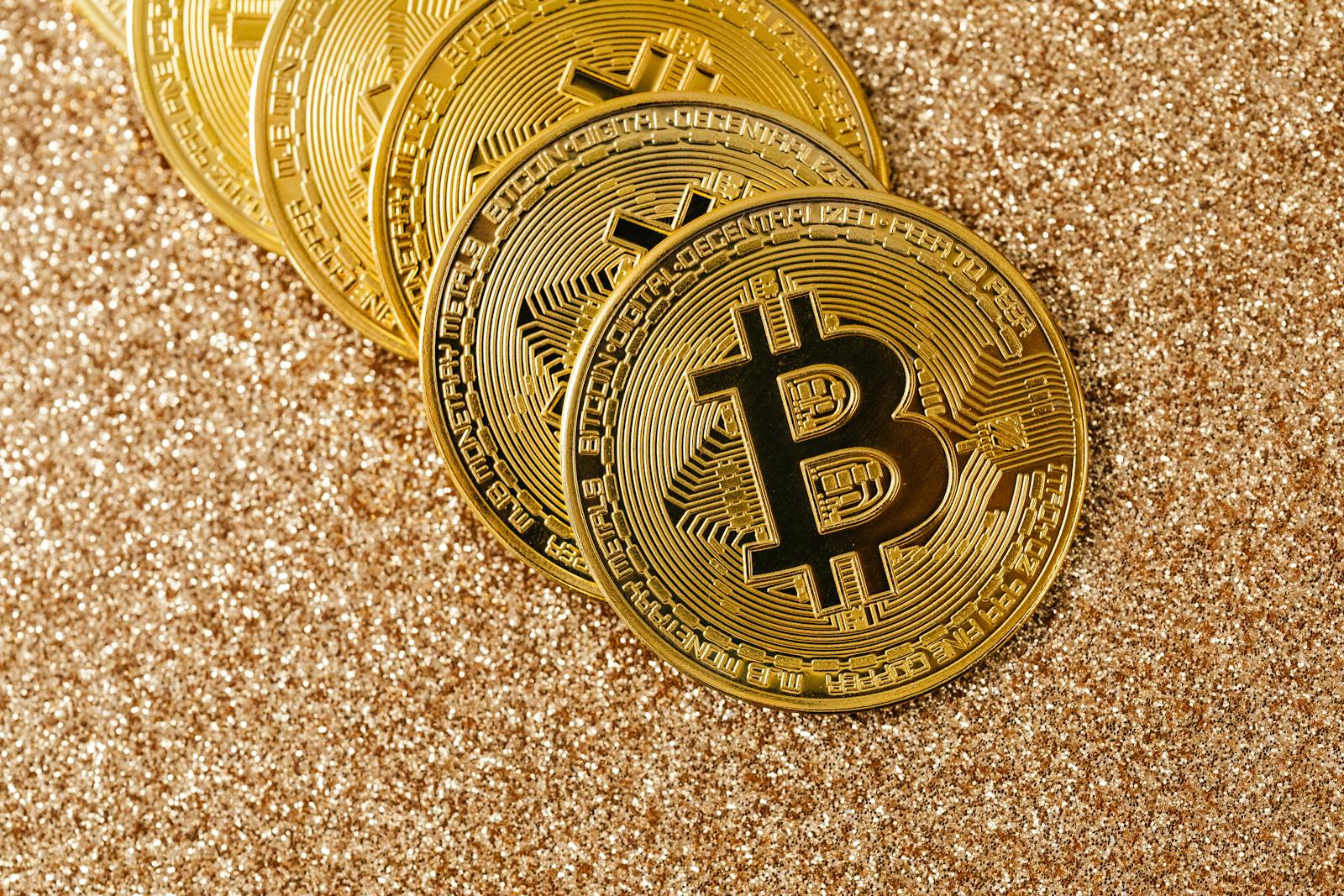
Cryptocurrency has revolutionized the financial world and continues to be an enticing investment avenue for many. However, diving into this exciting space comes with its fair share of risks, particularly for investors seeking those “hidden gems” in the altcoin market. In this detailed guide, we will explore How to Pick the Next 100x Altcoin (Without Getting Rugged), providing insights and strategies that will arm you with the knowledge necessary to make informed decisions.
Understanding the Foundation of Altcoins
Before you begin your quest to find the next 100x altcoin, it is essential to understand what altcoins are and how they differ from Bitcoin. This section will dive into the complicated world of cryptocurrencies, focusing on their variability and the factors that contribute to their value.
What Are Altcoins?
Altcoins, shorthand for alternative coins, refer to all cryptocurrencies that are not Bitcoin. They were created to improve upon Bitcoin’s limitations or to serve specific purposes.
- Innovation: Many altcoins offer innovative technologies such as faster transaction times or enhanced usability. Each altcoin generally has its unique features and advantages.
- Market Positioning: While Bitcoin led the initial cryptocurrency movement, altcoins have developed their niches, addressing specific pain points or targeting particular user bases.
- Risk and Reward: The altcoin market can be volatile, with opportunities for high rewards balanced against the risk of significant losses. Understanding these dynamics is crucial for any investor.
The Altcoin Ecosystem
The world of altcoins is not homogenous; it consists of various types of digital currencies, each catering to different sectors within the economy.
- Stablecoins: These are pegged to fiat currencies like the US Dollar, ensuring stability and predictability in value. They are designed to facilitate transactions rather than be used as investment vehicles.
- Utility Tokens: These are primarily used for accessing specific services within a blockchain ecosystem. They offer distinct functionalities which can enhance user engagement.
- Security Tokens: These represent ownership stakes in external assets (like real estate or company shares). They are regulated and can attract traditional investors looking into the crypto space.
The Role of Market Dynamics
Market dynamics play a significant role in determining the fate of altcoins. The interplay of supply, demand, and sentiment can heavily influence altcoin prices.
- Total Supply vs. Circulating Supply: Understanding how many coins will ever exist versus how many are currently in circulation can provide insights into potential scarcity, which impacts value.
- Market Capitalization: This refers to the total market value of a particular cryptocurrency. Investors often look at market cap along with other metrics to gauge potential growth.
- Trading Volume: High trading volume could signify strong interest or momentum which, paired with positive sentiment, can indicate the potential for price increase.
Evaluating Potential Altcoins
Now that we have laid the groundwork, it’s time to discover how to evaluate potential altcoins before buying into them. This process involves conducting thorough research and analysis to identify altcoins with the potential for explosive growth.
Analyzing Whitepapers
The whitepaper acts as the roadmap for any cryptocurrency project. It outlines the goals, technology, and potential challenges the project may face.
- Technical Viability: Reviewing the whitepaper allows you to assess whether the project’s technology is sound and has potential applications that promote growth.
- Clear Use Case: A good project should define its utility. Look for problems the altcoin aims to solve and whether these problems are significant enough to attract a user base.
- Roadmap Expectations: A detailed roadmap can indicate the project’s plans for development and milestones that can signal when to expect growth.
Community Engagement and Development
The strength and transparency of a project’s community often indicate its potential longevity and growth opportunities.
- Number of Followers and Engagement: High levels of engagement on social media platforms like Twitter, Telegram, and Reddit can signify a loyal and active community, which is essential for support and growth.
- Developer Activity: Assessing whether the project’s GitHub is active and regularly updated can serve as an indicator of ongoing development and commitment towards achieving the project’s goals.
- Partnerships and Collaborations: Strategic partnerships with established companies can bring credibility and resources to a project, enhancing its market position.
Market Sentiment and Trends
Market sentiment can greatly affect the prices of altcoins, so it becomes essential to stay updated on current trends.
- Technical Analysis Tools: Tools such as Fibonacci retracement levels or moving averages can help gauge market trends. Familiarity with these tools will aid in making informed predictions.
- Market Analysis Reports: Subscribe to cryptocurrency analysis reports and attend webinars to gain insights into what analysts predict for specific altcoins.
- Cyclic Patterns: Understanding seasonal cycles in altcoin performance can help you time your investments more strategically.
Asset Management and Risk Mitigation
Once you have identified potential altcoins, managing your assets and putting risk mitigation strategies in place is crucial.
Diversification Strategies
Spreading investments across multiple altcoins can help mitigate risk while keeping your portfolio balanced.
- Balancing High-Risk Altcoins with Stable Assets: Combining top-tier altcoins with more volatile coins allows you to capitalize on potential growth while buffering against market downturns.
- Regular re-evaluation of Portfolio: Constantly monitoring your portfolio and making adjustments based on market fluctuations ensures you are less vulnerable to abrupt losses.
- Setting Investment Caps: Establish a maximum percentage of your total capital that you will invest in any single altcoin. This keeps you from overstretching your resources.
Emotional Discipline and FOMO
Investing in cryptocurrencies can sometimes evoke strong emotional responses, particularly when markets are volatile. Staying disciplined is essential.
- Avoiding Emotional Trading: Stick to your trading plan and avoid making impulsive decisions based on fear or greed.
- Setting Profit Targets and Stop-Loss: Designate clear exit strategies to lock in profits or limit losses. This often helps keep emotions in check when the market is turbulent.
- Steering Clear of FOMO: While fear of missing out can drive impulsive decisions, it is crucial to remain focused on your strategies and beliefs about the selected altcoins.
Spotting Red Flags – Avoiding Rug Pulls
One of the biggest challenges in finding successful altcoins is avoiding scams and ineffective projects that lead to losses. Understanding the signs of a bad investment is crucial in the high-stakes game of altcoins.
Identifying Trademark Signs of a Rug Pull
Not every investment opportunity is what it seems. Knowing the warning signs of a potential scam can save you from financial loss.
- Lack of Transparency: If the development team is anonymous or unwilling to share information about the project, it’s a red flag. Legitimate teams are usually open about their identities.
- Unrealistic Promises: Be wary of projects that promise guaranteed returns or quick profits. Sustainable growth takes time and requires effort.
- Suspicious Contract Code: If you have coding knowledge, reviewing the smart contract for any malicious code can indicate a scam. Look for red flags such as centralization of control.
Community Feedback and Investigations
Real-world experiences from existing users often provide valuable insights into a project’s legitimacy.
- Trust Score Ratings: Websites like CoinGecko and CoinMarketCap often provide trust scores based on community feedback and project activity.
- User Reviews and Experiences: Engaging in community forums or social media discussions can help you gain perspectives about the project or any potential issues you may not have considered.
- Research Tools and Resources: Utilize platforms that aggregate information about known scams to immediately check any new altcoin you are considering.
Continuous Monitoring
Evaluate your investments regularly and remain vigilant to ensure you catch any potential warning signs early.
- Market Trends: Continuous monitoring of the altcoin’s performance and market news can provide insights into any potential risks associated with your investment.
- Engagement with the Community: Staying engaged in the project’s community keeps you informed about changes, updates, or potential issues that could affect your altcoins.
- Exit Strategy Reevaluation: Regularly assess and revise your exit strategies as needed, especially if market conditions chage.
Conclusion
In the ever-evolving landscape of cryptocurrencies, knowing How to Pick the Next 100x Altcoin (Without Getting Rugged) is an essential skill set. By understanding the complexities of the altcoin market, thoroughly researching potential investments, managing assets wisely, and diligently avoiding potential scams, you can increase your chances of discovering valuable altcoins poised for significant growth. As with all investments, a careful and informed approach is key to navigating this thrilling yet unpredictable financial journey successfully.